
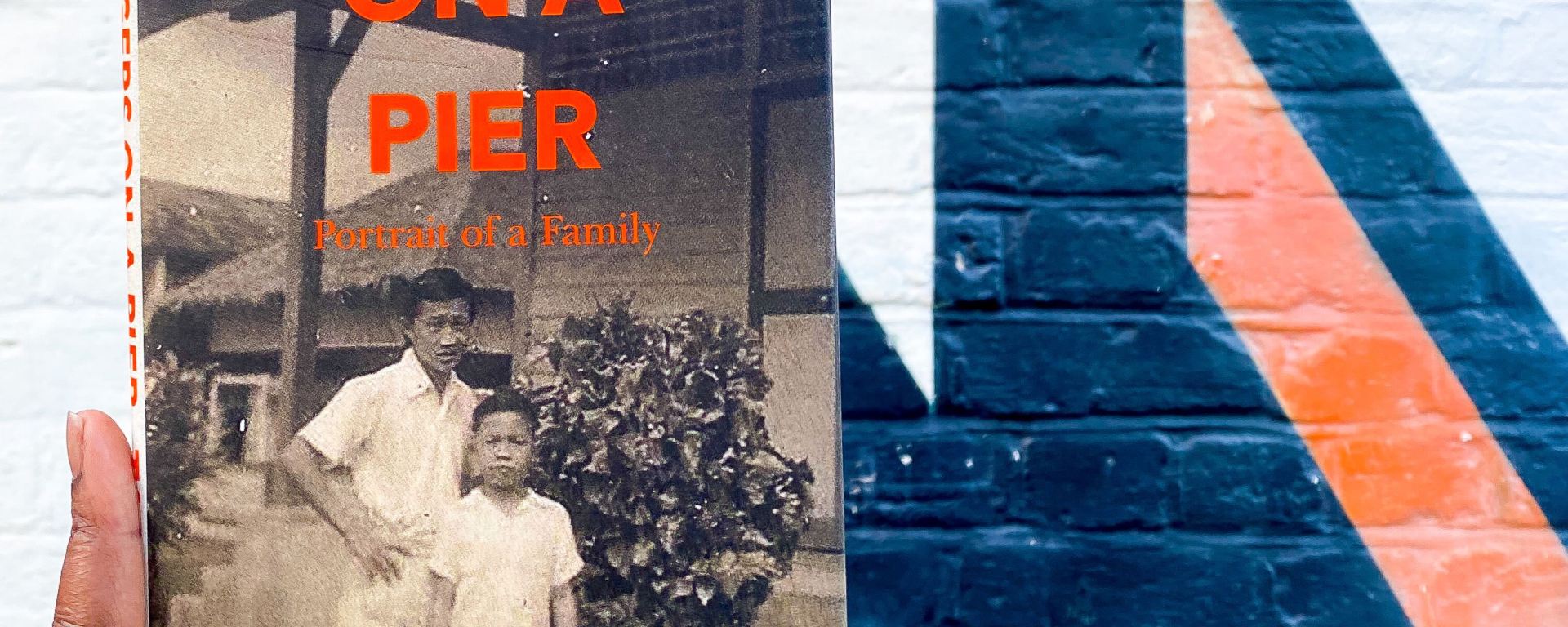
Strangers On A Pier is somewhere between Memoir and personal essays. Tash Aw takes up very few pages (91) to get straight what’s real for him- my favourite type of book.
He reflects on his personal identity through his family history and their story as migrants. Aw was born in Taipei and raised in Malaysia, where his grandfathers had settled after emigrating from China. He writes about his relationship with his father, grandfather and grandmother- the chasms that exist between them culturally and why those exist. His care when writing about his family, particularly his grandmother, is very touching. I felt he gave her some flowers that she would have been denied as woman within the society she knew, the community she helped build.
Aw reflects on how he came into consciousness about class status in his school . Slow realisations like how other boys’ families approach education and access to social mobility. He notes the small divisions between them that expand until “in ten years, when we are only in our mid-twenties, our paths can never cross again, not even in a fast-food joint. We don’t know that yet, but we will, very soon.” Not knowing yet is a subtle motif in the book that highlights the wisdom of hindsight- not just for him but for all of us really
I read an undercurrent of disappointment in the book’s tone. Maybe he’s disappointed that his parents and grandparents were so reluctant with the truth. He’s still now piecing it all together as an adult to create a portrait he understands. True title, It is really a portrait of his family through his understanding as lens. It seems that there are gaps between family generations that Aw is trying to close or accept by writing through them to reason. Often he isn’t satisfied with where he ends up
The way Aw contemplates what is held in silence reminds me a bit of Things We Have Withheld by Kei Miller – so does the reflection and writing style. He reflects on aspects of his life through wider ideas in the same way . His frustrations with the squeaky clean origin stories immigrants can build for themselves on the way to model minority myths- omitting mental health issues and domestic inconveniences. Aw says in an interview that “instead of a sprawling narrative, the book became a meditation on silence, and why we who grow up in Asian families can’t talk about certain things like family trauma, sadness, depression, or anything that counts as “failure.”” Definitely succeeds in doing this. From his view on adjusting to British attitudes at Cambridge to the impacts of forgetting mother tongues and what makes an “aunty” or “uncle” – some of this is relatable to immigrants the world over
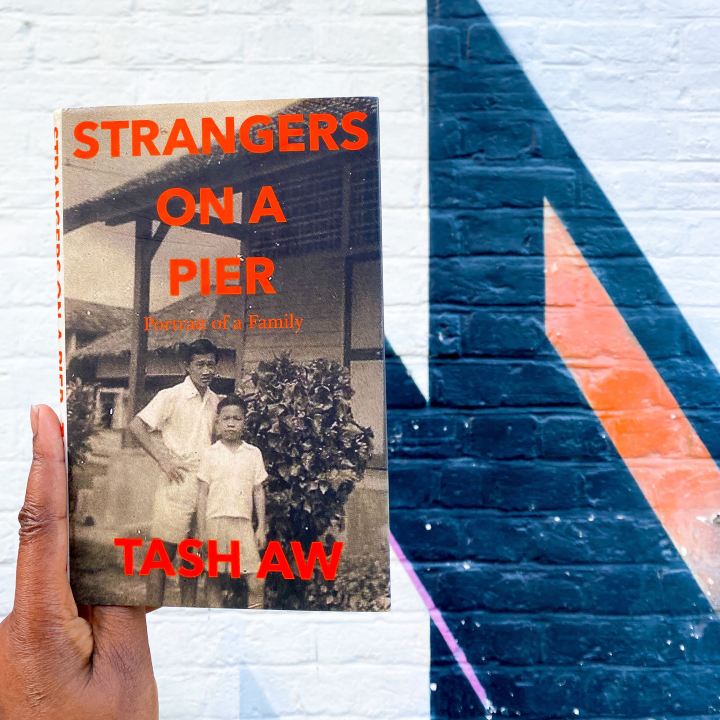
The title plays on his previous book- The Face: Strangers on a Pier which is a collection of short stories (that I will be finding!) that explores the culture of modern Asia through his family story of migration and adaptation
You can read a New Yorker excerpt from the essay here.

 Paperback Social