
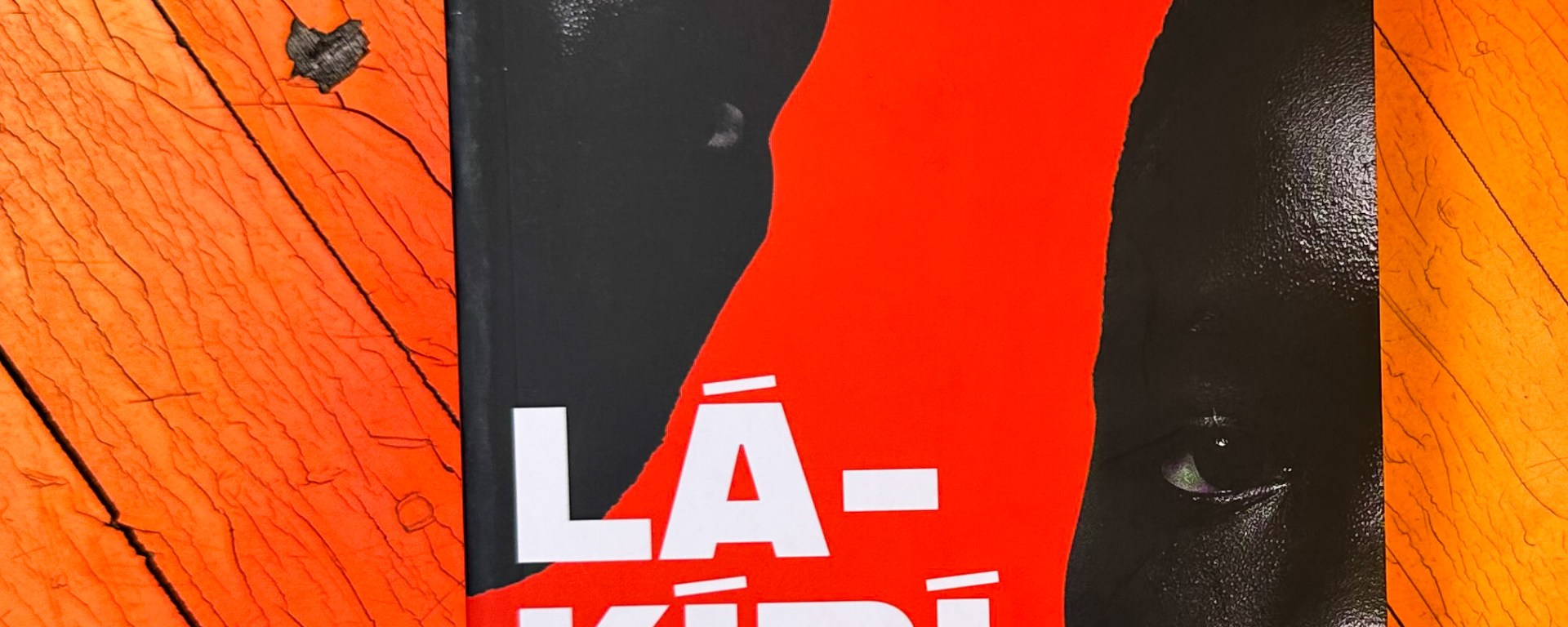
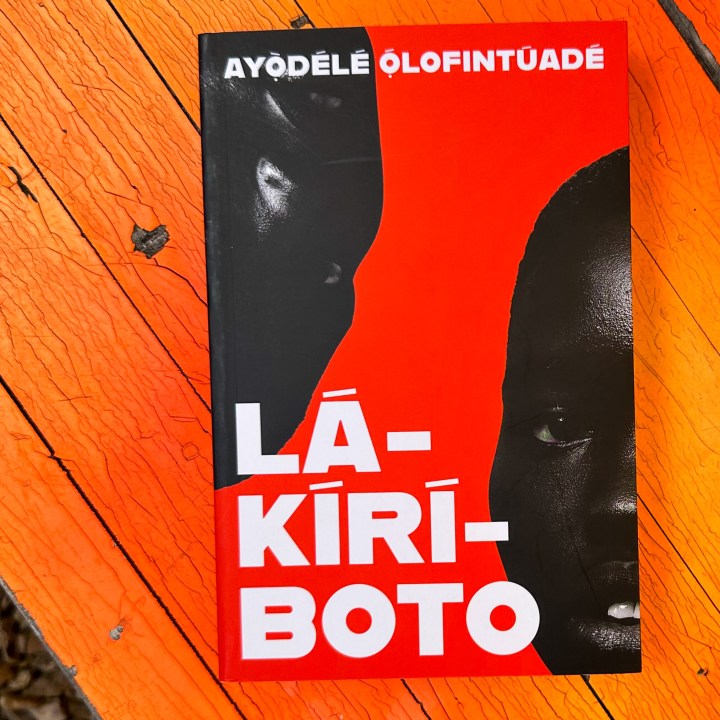
Just from the description of Lakiriboto, I was already intrigued- Queer, feminist revenge thriller set in Lagos? I’m picking it up. The cover?? Obviously, I have picked it up
When her grandmother dies in the night, Moremi’s arrogant uncle (family chief) sends her to work as a housemaid in Lagos. A very spirited, young Moremi goes with high expectations but has them crushed.
She builds a strong bond with another young housemaid (Kudirat) as they navigate working for a mentally ill Tola, whose abusive doctor husband refuses to treat her. From very early on in the story, Moriema’s queer Aunt Morieba is determined to blast patriarchal Yoruba tradition and pull her niece out of this situation.
Somewhere along the line, some mobsters are also thrown in- The characters are (too?) many. Although I will say they were all very vivid, strong characters- particularly the women. A lot of the book, I found so engaging and entertaining.
I liked that the women held their own, even in weakness. Moriema and Kudirat had tenacity and roundness of character, I never felt they were hopeless in their situation. Tola’s strength of character manifested as split personality in her illness – sometimes made me question her perspective. I liked that Aunty Morieba’s queer identity included, but reached far beyond her sexuality. Everything about her was a natural challenge to patriarchy in both her family and society.
The men were all wicked, maybe bar one. I’m not sure how I feel about that. It is plausible though. Uncle Olori Ebi especially, very wicked. I thought it was clever to show his reverence for both a Christian God and Yoruba spirits
I loved Olofintuade’s explanation of the Yoruba concept “Lakiriboto” in the foreward-
“Words are not just used for communication, they are connected to the way the brain, mind and body function. Words are used for archival purposes”
Olofintuade not only breaks down the Yoruba philosophy and etymology of the word/ concept in relation to queerness but also how it related to them personally. I’m a full lit geek so I loved all that. For the purposes of this story, I think Lakiriboto refers to being proudly queer
So many themes and storyline threads are intertwining in Lakiriboto: class and the housemaid community, women and patriarchy, mental illness, domestic abuse, criminal organisation, sexuality, spirituality. When some of these threads were looser in the first half- it was brilliant, dextrously weaved . I was very hooked for half the book
But when it all came to a head in the last third or so, I thought there was just too much going on. The pace seemed like it raced toward the end and with all those characters, I found it overboard. There is also assault of a minor that in addition to being disturbing-I don’t think added anything
Despite the significant themes Lakiriboto tackles, there’s an element of humour through the story. I think the narrative doesn’t take itself too seriously- which makes me wonder if that intense pace at the end was deliberate. The Nollywood of it all is obvious, I did like that about it.
Something about Tola’s parents turning up and interfering with her marriage reminded me of when Akin‘s parents got involved and started bringing new wife in Stay With Me (Ayobami Adebayo). Very wild situations but they happen
I haven’t read anything like Lakiriboto before, it was definitely interesting! We absolutely need to popularise more contemporary African literature that is unafraid to contend with sexuality while experimenting with storylines.
There’s a lot that I really enjoyed– just not all the way to the end. I would love to hear other’s opinion of it ( read it and tell me!) I’m glad I read it though and I’m very curious about what else Ayodele Olofintuade has written. They are a non-binary, Black feminist who has written short stories, non-fiction, research and essays. Also three other novels Swallow: Efunsetan Aniwura (2022), and Eno’s Story (2010). I’ll definitely be reading more by them

 Paperback Social